Custom T-Shirt Manufacturer in Pakistan
A T-shirt may be one of the most familiar garments in clothing, but a well-developed T-shirt is the result of many individual decisions. Fabric composition, fabric weight, fit, neckline, sleeve proportions, stitching, shrinkage, decoration and labeling all influence the final product.
Farnix Sports develops custom T-shirts for clothing brands, streetwear labels, activewear businesses, retailers, private-label companies and other buyers looking for garments made around their own specifications. Instead of treating the T-shirt as a generic blank, the product can be developed around the fit, fabric, appearance and brand identity the buyer wants to establish.
A T-Shirt Starts With the Fabric
The fabric determines much of the character of a T-shirt before printing or branding is even added. Cotton, cotton blends, polyester-based fabrics and stretch constructions can produce very different results in terms of handfeel, drape, breathability and durability.
For custom production, the fabric should be selected according to the purpose of the garment. A lightweight everyday tee, an oversized streetwear T-shirt and a performance training shirt do not necessarily require the same material. Pakistan-based T-shirt manufacturers commonly work with cotton, cotton blends, organic cotton, polyester and other knitted constructions.
Farnix Sports can develop the garment around the buyer’s required fabric direction rather than assuming that one material works for every collection.
Understanding T-Shirt GSM
GSM means grams per square metre and is commonly used to describe fabric weight. It is useful when specifying a T-shirt, but GSM alone does not determine quality.
Two fabrics with the same GSM can feel and behave differently because yarn, fibre composition, knitting structure and finishing also influence the final garment. Current apparel sourcing guidance specifically recommends considering GSM together with fabric construction, fit, finishing and decoration.
This is particularly important when developing heavyweight or oversized T-shirts. A buyer should approve the actual fabric and sample rather than choosing a GSM number in isolation.
Everyday T-Shirts
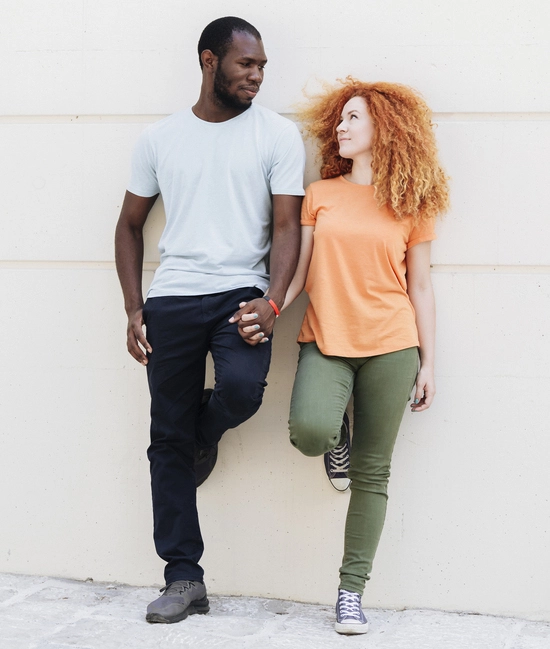
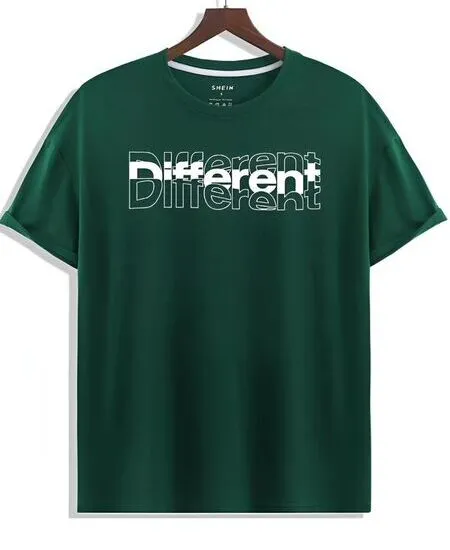
A basic everyday T-shirt usually relies on balance rather than complicated construction. The fabric needs to feel comfortable, the neckline should retain its shape and the proportions should work across the intended size range.
This type of tee can become the foundation of a clothing brand’s collection because it can be produced in multiple colours and paired with almost any other garment.
Farnix Sports can develop everyday T-shirts around the buyer’s preferred fabric, fit, colour palette and branding direction.
Oversized T-Shirts
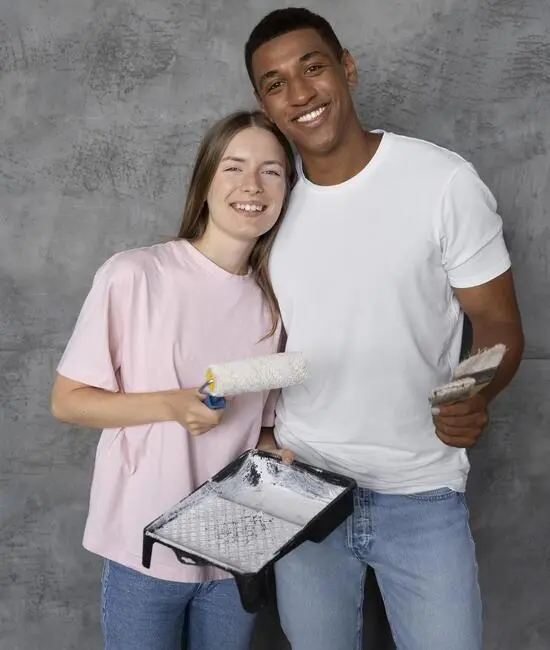
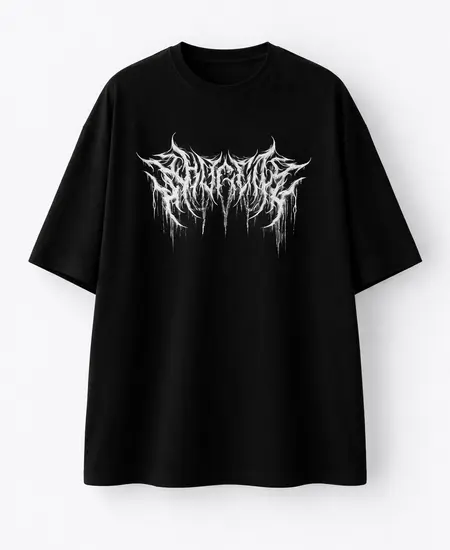
Oversized T-shirts have become an important part of contemporary streetwear, but an oversized fit is not simply a regular T-shirt made several sizes larger.
Shoulder width, sleeve length, body width, body length and neckline proportions need to be considered together. A controlled oversized pattern creates a deliberate silhouette, while simply scaling up a conventional pattern can result in an unbalanced garment.
Custom cut-and-sew manufacturing allows these measurements to be established as part of the product specification rather than relying on the proportions of a standard blank.

Boxy T-Shirts
A boxy T-shirt creates a different silhouette from a conventional relaxed or oversized tee. The body is often wider relative to its length, giving the garment a more structured horizontal proportion.
This can work particularly well for modern streetwear collections where the shape of the garment is part of the brand identity.
For a custom boxy tee, body width, shoulder construction, sleeve opening and overall length should be developed together.
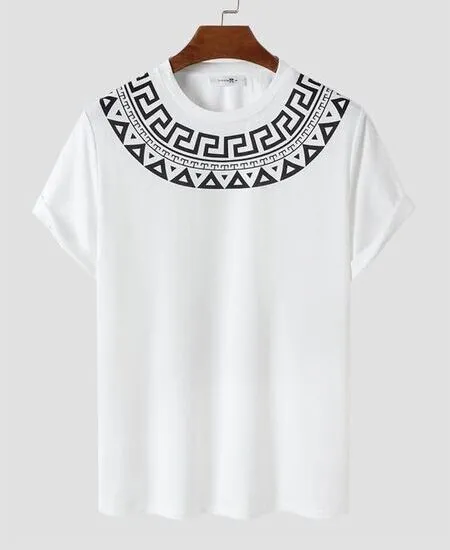
Slim and Regular Fits
Not every brand needs an oversized silhouette. Slim and regular-fit T-shirts remain useful for everyday clothing, fitness collections, corporate apparel and more traditional retail ranges.
A closer fit requires attention to body measurements and fabric stretch because the same pattern can behave differently depending on the selected material.
The buyer’s target customer and intended use should therefore guide the fit rather than following a single industry-wide definition of “regular.”
The same approach can be used for custom polo shirts with a collar and button placket.
Cotton T-Shirts
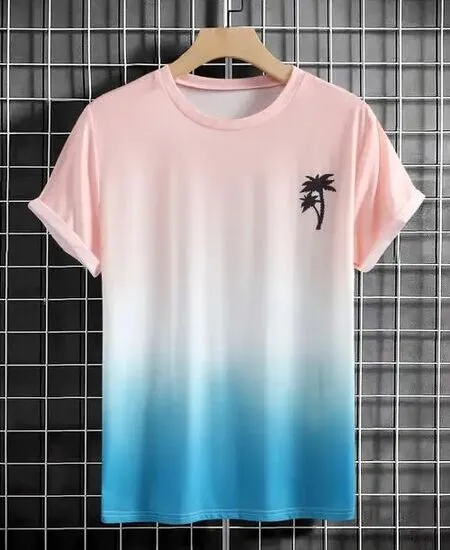
Cotton remains a common choice for T-shirts because it can provide a familiar handfeel and breathable everyday character. Different cotton qualities and yarn constructions can nevertheless produce noticeably different results.
Combed cotton, for example, is widely used in branded T-shirt manufacturing, while organic cotton can be selected when it fits the buyer’s product requirements.
The final fabric choice should be based on the intended customer, product positioning and desired garment behaviour.
Performance T-Shirts
A T-shirt designed for training is not necessarily specified in the same way as a casual cotton tee.
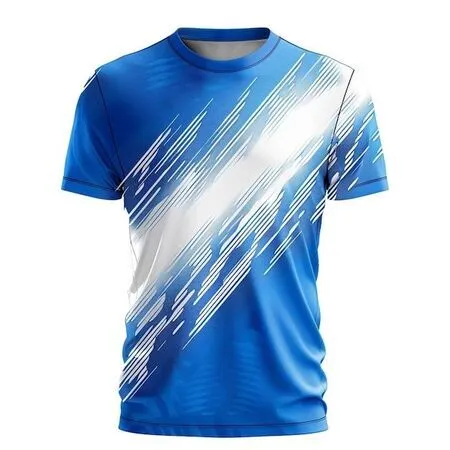
Performance products may use polyester-based or blended fabrics selected around moisture management, lightweight construction and movement. The garment may also require a different fit and seam approach depending on the activity.
Farnix Sports can develop T-shirts around performance requirements when the product is intended for fitness or sportswear rather than everyday casual use.
Embroidery on T-Shirts
Embroidery can give a T-shirt a different appearance from printed graphics. It can work particularly well for small logos, initials, emblems and brand marks when the fabric and artwork are suitable.
However, embroidery adds physical weight and structure to the decorated area, so placement and design detail should be considered before production.
For lightweight T-shirts, the decoration method should be selected with the fabric in mind.
Labels and Private-Label Finishing
A branded T-shirt is not complete when the graphic has been printed.
Neck labels, size labels, care information, hangtags and packaging can all become part of the finished product. Current Pakistani manufacturers offer private-label T-shirt production with custom labels and branded finishing options.
Farnix Sports can develop these elements around the buyer’s brand requirements so the finished garment has a consistent identity from the product itself through to its presentation.
Cut-and-Sew Versus a Generic Blank
A generic blank limits the brand to someone else’s decisions about fit, fabric, neckline, sleeve proportions and garment construction.
Cut-and-sew manufacturing starts with the fabric and develops the garment around the buyer’s specifications. Current Pakistani manufacturers describe this approach as pattern development, cutting, sewing, finishing and decoration based on the buyer’s measurement and product requirements.
For a brand developing a distinctive T-shirt, this gives greater control over the actual product rather than only its artwork.
T-Shirts for Streetwear Brands
For streetwear, the T-shirt can be the main visual canvas of a collection.
An oversized blank-style tee can create a minimalist product, while heavyweight fabric, boxy proportions and large graphics can produce a more substantial streetwear direction.
Farnix Sports can develop these characteristics around the brand’s intended fit and visual identity instead of using the same standard T-shirt construction for every project.
Quality Checks for Custom T-Shirts
Quality should be evaluated across the entire garment rather than focusing only on stitching.
Measurements, neckline shape, shoulder alignment, sleeve symmetry, fabric appearance, seam construction, print or embroidery placement and label details can all affect the final result.
For repeat production, these checks should be connected to the approved sample and specification so that the finished garment remains consistent with the product the buyer originally approved.
Custom T-Shirts Developed Around the Product
A T-shirt may look straightforward, but the details determine whether it feels like a generic garment or a product with its own identity. Fabric weight, fibre composition, fit, neckline, sleeves, stitching, decoration and finishing all contribute to that result.
Farnix Sports develops custom T-shirts around these specifications for brands and businesses looking to create their own apparel products. Whether the requirement is an everyday cotton tee, heavyweight streetwear T-shirt, oversized graphic design or performance-focused training shirt, the garment can be developed around the buyer’s intended fit, function and brand identity.
Who Can Order Custom T-Shirts?
Farnix Sports can develop T-shirts for clothing brands, streetwear labels, activewear businesses, private-label companies, retailers, wholesalers, gyms and other organizations requiring custom apparel.
The product can be developed for men’s, women’s or unisex collections depending on the required fit and intended market.